Denise Chrysler, J.D., serves as Senior Advisor, Mid-States Region. She served as the Mid-States Office’s director from the time the Network was launched in September 2010 until she retired from the position in February 2023.

Before joining the Network, for 27 years, Denise provided legal services to Michigan’s state health department regarding communicable disease, immunization, environmental public health, public health research, privacy, health information exchange, and emergency legal preparedness and response. She served as the state health department’s public health legal director, privacy officer, freedom of information coordinator, regulatory affairs officer, and member of the Institutional Review Board. She also represented the health department as an assistant attorney general. Currently, Denise serves on the Ingham County Michigan board of health, Michigan Governor’s Public Health Advisory Council, and the National Committee on Vital and Health Statistics.

Denise is the recipient of the Roy J. Manty Distinguished Service Award for her contributions to public health in Michigan and the Frank J. Kelley Award for Excellence for successful efforts to protect mammograms and medical records of some 200,000 patients in Southeast Michigan that were abandoned by a bankrupt health care provider.

Denise grew up on a dairy farm in northern Indiana. She graduated from the University of Michigan Law School in 1980. She and her husband, Paul Pratt, live in Lansing, Michigan. During the COVID-19 pandemic, they adopted two kittens and named them “Pfizer” and “Moderna.”

Articles & Resources

Summary of State Laws that Facilitate Data Sharing Among State Agencies

SummaryHealth Information and Data Sharing

October 22, 2019
by Denise Chrysler and Sallie Milam

Data are essential for public health surveillance, epidemiological investigation, research, program development, implementation and evaluation. Sharing data across government agencies assists in addressing social determinants of health, environmental needs and risk factors; in better aligning services that support individuals; and in enhanced public health surveillance. Further, better information for health and human services agencies generally produces better care.

View page

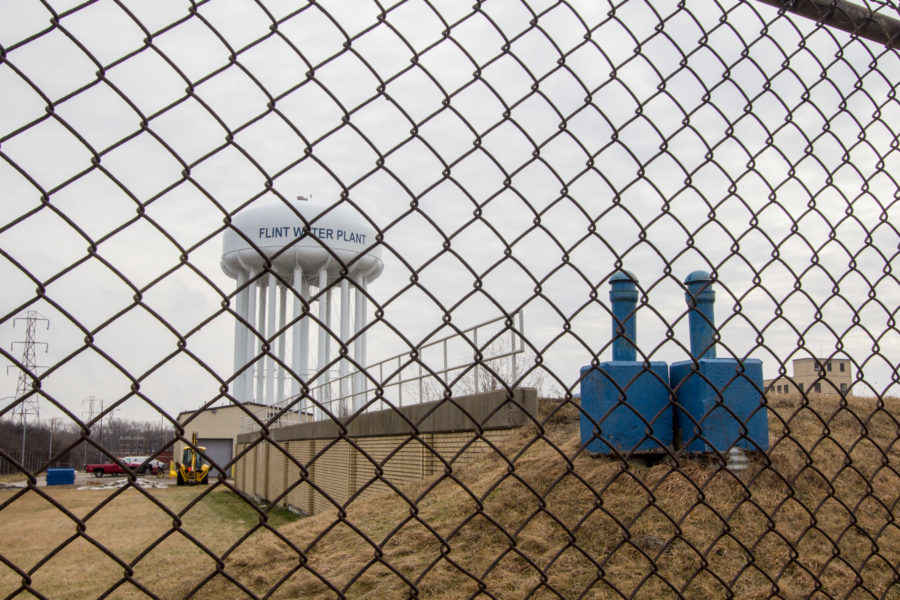
Learning from the Flint Water Crisis – Protecting the Public’s Health During a Financial Emergency

ReportEmergency Legal Preparedness and ResponseEnvironment, Climate and HealthFlint Water Crisis ProjectPublic Health Authority

February 13, 2018
by Colleen Healy Boufides, Denise Chrysler and Peter D. Jacobson

This report, co-authored by attorneys from the Network for Public Health Law and the University of Michigan School of Public Health, details why shortcomings in the structure and implementation of laws related to public health, safe drinking water, and emergency financial management failed to stop or mitigate the Flint water crisis. Along with key findings, the report provides recommendations to help prevent similar crises from happening in other communities.

View page