Corey Davis, J.D., M.S.P.H., serves as Director of the Network’s Harm Reduction Legal Project, which works to address the legal and policy barriers that impede the establishment and expansion of evidence-based harm reduction measures such as naloxone distribution, syringe access programs, and access to evidence-based substance use disorder treatment. Corey and his team provide guidance and consultation in navigating the often extremely confusing maze of existing laws and regulations that hamper harm reduction initiatives.
Corey was previously a Senior Attorney at the National Health Law Program (NHeLP), where he helped to advance access to quality health care for low-income and underserved individuals. Before joining NHeLP Corey served as Employment Rights Attorney at Equality Advocates Pennsylvania, where he represented lesbian, gay, bisexual and transgender (LGBT) individuals before administrative commissions and in state and federal courts. He previously oversaw a street-based legal clinic sited at Philadelphia’s syringe exchange program.
Corey has served as chair of a county board of health, chair of the board of the North Carolina Harm Reduction Coalition, and vice-chair of the North Carolina Harm Public Health Foundation, among other positions. He is a recipient of the International AIDS Society’s Young Investigator Award and has published extensively in the lay and academic press. Corey received his B.S. from the Indiana University of Pennsylvania, his M.S.P.H. from the University of North Carolina at Chapel Hill and his J.D. from Temple University. Corey is barred in Pennsylvania and New Jersey as well as various federal courts.
Articles & Resources
In 2015, 33,091 Americans died of accidental opioid overdose, that’s more deaths than from car crashes or guns. Early interventions to prevent and treat substance use disorder and opioid use disorder, save lives and resources. Although access to evidence-based prevention and treatment remains far below where it should be, Medicaid and the Affordable Care Act have been instrumental in improving it.
Read more
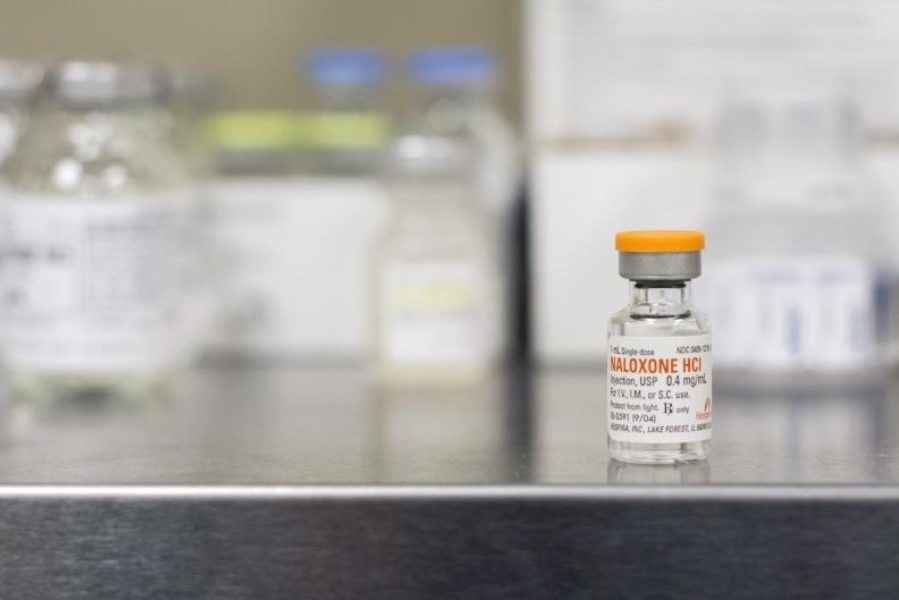
In Colorado, 899 people died of drug-related overdoses in 2014 -- most of these deaths were caused by opioids. This fact sheet provides an overview of Colorado's law to increase access to naloxone, an opioid overdose antidote.
View page
A public health professional contacted the Network to ask if the Network could provide them with data use agreement templates for use by local public health authorities?
Read more
With the signing of the South Carolina Overdose Prevention Act on June 3, 2014, the state made it more likely that naloxone will be available when and where it is needed. This fact sheet explains the provisions of the Overdose Prevention Act.
View page
This fact sheet provides information on Pennsylvania's Act 139, which provides limited immunity to overdose victims and bystanders that seek medical help, and increases accesss to naloxone, a drug that can reverse the effects of an opioid overdose.
View page