Building on a Year of Challenge: Public Health in 2026
Network NewsBuilding on a Year of Challenge: Public Health in 2026 Dear Colleagues and Friends, As we begin 2026, I want to wish you a happy New…
As Executive Director, Quang (“Q”) Dang leads program strategy and oversees the work of the Network’s legal project teams in advancing law and policy solutions and providing direct legal technical assistance to those working to create healthier, more equitable communities. He also works closely with public health and public health law partner organizations, as well as community, philanthropic and advocacy organizations working to advance health in their communities.
Q brings more than 20 years of experience as a public health lawyer, educator, and consultant to his Network leadership role. He previously served as Vice President of Programs at a national organization providing law and policy technical assistance to support building healthier communities. He has taught undergraduate and graduate level courses on health law, health policy, healthcare legislation, government programs, ethics, regulation, state and local health systems, medical-legal partnerships, and LGBT+ health. Q holds a J.D. from the University of California’s Berkeley School of Law and a B.A. with honors in Public Policy from Brown University.
Building on a Year of Challenge: Public Health in 2026 Dear Colleagues and Friends, As we begin 2026, I want to wish you a happy New…
The divide between states seeking to restrict abortion and states permitting it continues to widen, as the former pursue new, increasingly draconian, maneuvers to restrict abortion access and the latter bolster protections in response. The intra-state conflict incited by this divide is coming to a head in a legal struggle between Texas and New York. The lawsuit, Texas v. Bruck, challenges enforcement of a New York shield law and threatens the viability of such legal safeguards moving forward, with major consequences for reproductive health care access.
Connection, Collaboration, Community—and Courage: Lessons from the 2025 Public Health Law Conference The recently held 2025 Public Health Law Conference convened at a time when…
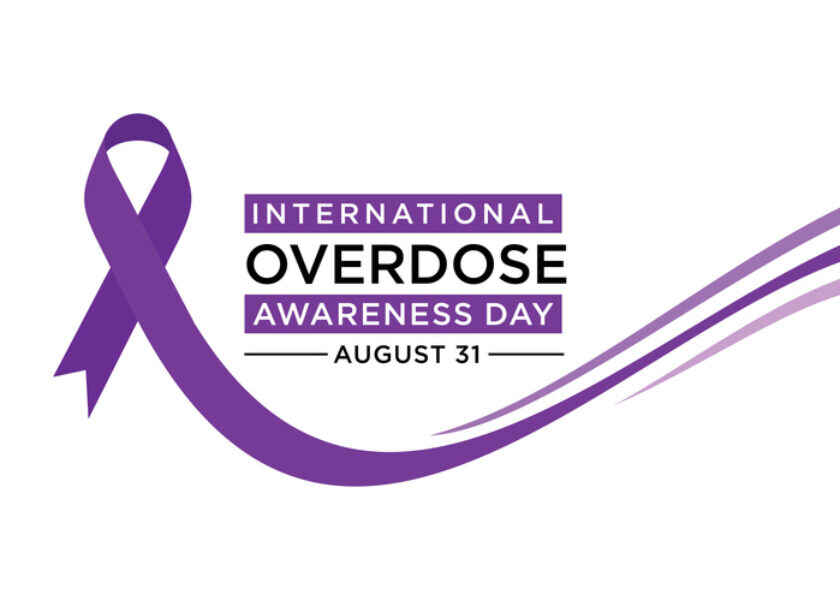
In recognition of International Overdose Awareness Day on August 31, 2025, Network attorneys and staff have identified seven policies with the potential to improve overdose prevention and advance the health of people who use drugs across the United States. This policy brief covers a wide range of areas, including well known, evidence-based harm reduction strategies and frameworks, as well as more novel policies that intersect climate change and drug policy.
Grief is a near-universal human experience, yet it remains markedly absent from public health discourse and infrastructure. Instead, public health systems tend to treat bereavement as a private, individual matter rather than a legitimate population health concern. As we reconsider the broader mental health landscape, we must ask: What would it look like for public health systems to fully acknowledge grief in its cultural complexity?
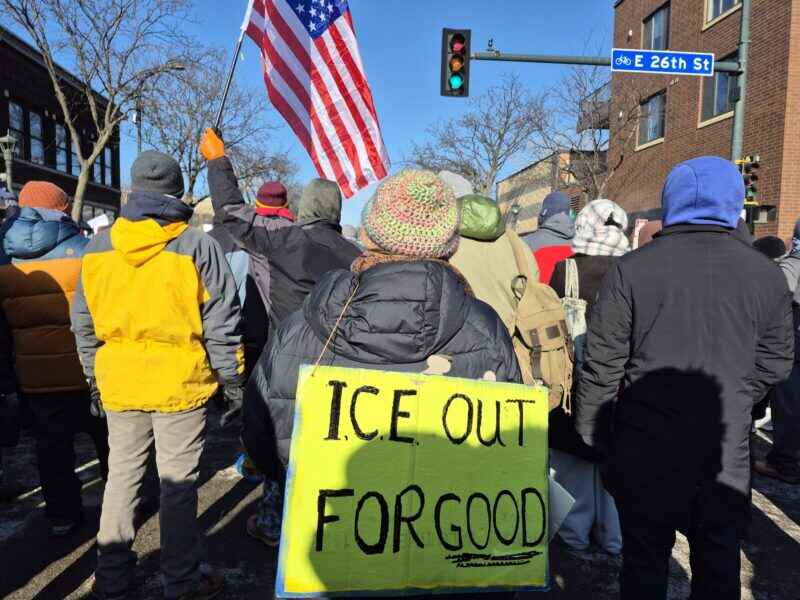
Recent federal executive orders and actions have placed unconscionable strain on an already under-resourced and overstretched public health infrastructure. Over the past few weeks, we've gathered information on critical health, equity, and public health issues affected by these executive actions—from federal immigration enforcement powers to vaccine preventable diseases; the environment, energy, and natural resources; diversity, equity, and inclusion; LGBTQ+ rights; data collection; and research funding.
This resource provides an overview of several of the Trump Administration’s immigration-related executive actions and identifies legal challenges. It then highlights how these and other anti-immigrant efforts harm the public’s health and deepen health inequities. Finally, it provides answers to frequent questions on implications for health departments, community-based organizations, and others navigating the changing landscape.
Warm wishes for the New Year, a time of new beginnings when our thoughts turn to how our collective efforts to advance health in communities across the country can be turned into reality. This year is likely to present challenges, especially considering the new presidential administration, but we have been here before. Just as we have done in the past when the political climate intensified around governmental authority, in particular public health authority, we are ready to act as a guide, partner, and resource to assistance in advancing the public’s health and health equity, despite barriers to this work.
It has become increasingly important for public health to navigate the disruptiveness of a capricious political climate in our continued efforts to protect the health of communities across the country. State-level advocacy is not just beneficial, it is essential to maintaining and advancing community health. The newly released 50 State Scans of Public Health Advocacy Capacity report provides valuable information for advocates, public health practitioners, policymakers, and funders to identify partners who can work together and leverage their collective resources to achieve large-scale positive—and equitable—health outcomes for communities.
Join us for a webinar introducing the Network’s Racial Equity Dataset. This searchable database includes bills proposed and enacted in the 2021 and 2022 legislative cycles in the wake of the renewed racial justice movement in 2020 and the COVID-19 pandemic. Features of the laws that were enacted, and that were still in effect on December 31, 2022, were compiled into a cohesive dataset, created using policy surveillance methods, to provide insight into the outcomes of those legislative sessions. Legislation identified, though not exhaustive, provides a bird’s eye view and a peek into relevant legal trends across the country.
The Network seeks to support local, state, and tribal governments, health departments, community-based groups or organizations, nonprofits, professional associations, health care systems and providers, and others in their efforts to eliminate deep, systemic, and racially driven inequities in public health. Join us for a webinar outlining our recently released Legal and Policy Assistance to Address Racial Health Equity call for applications (RHE CFA) to support work on racial health equity. We are seeking applicants developing or working on a specific issue that prioritizes racial equity that would benefit from legal and policy technical assistance. We can assist with work that is at any stage of development.
This report summarizes findings from research that looked at specific markers of advocacy capacity and interviews of key respondents in 50 states and the District of Columbia between March and June 2023.