
Climate Superfund Laws: Holding Fossil Fuel Companies Financial Accountable for the Public Health Costs of Climate Change
February 19, 2026
Overview
States burdened with the costs of mitigating and responding to the effects of climate change have looked to a decades old federal law as a model for allocating those costs to the industries that emit the greenhouse gases that fuel climate change. The laws, called Climate Superfund Laws, or Make Polluters Pay, are being considered across the county.
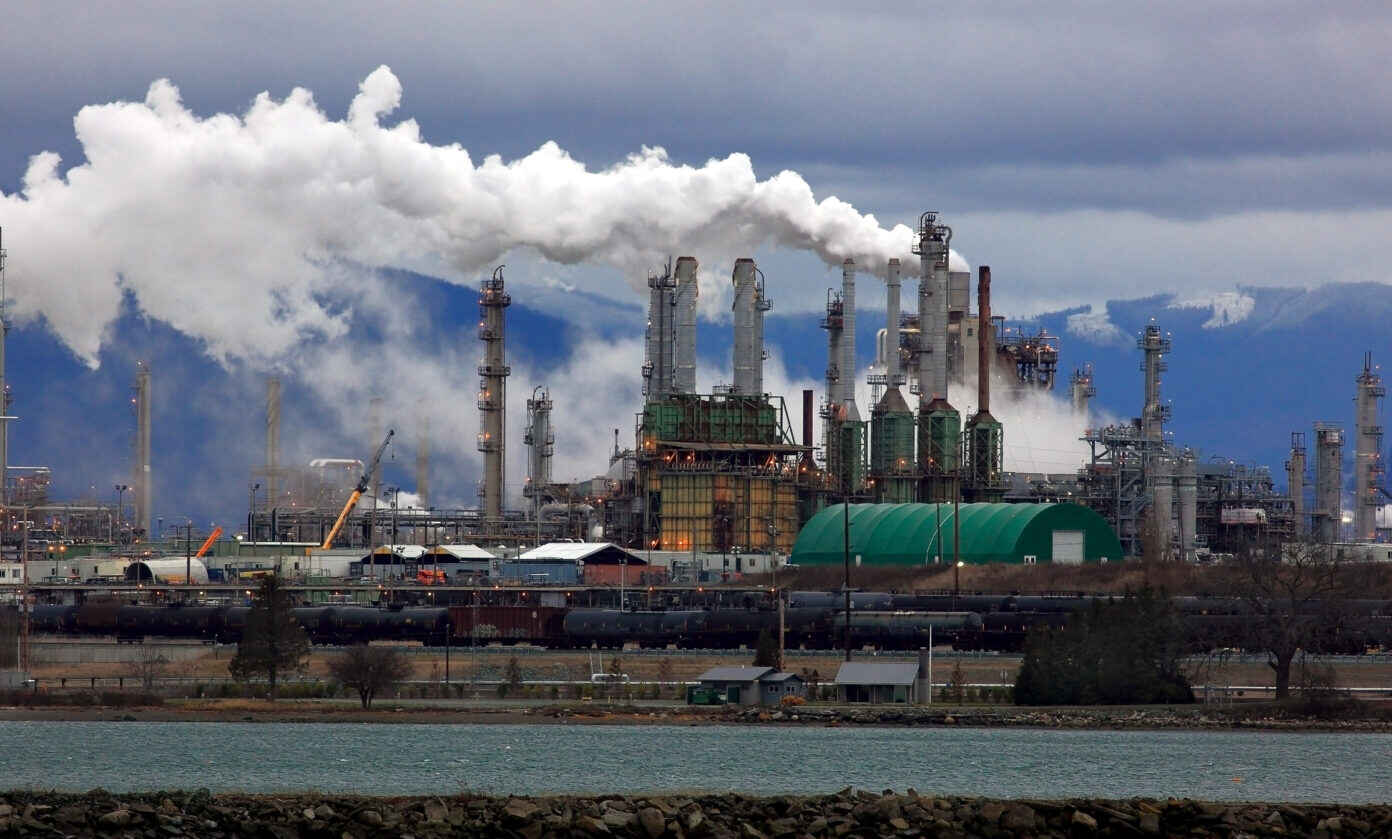
Climate change has increasingly fueled expensive natural disasters (like fires, floods and heat waves) that impact health and well-being. When these disasters strike, who pays for community recovery costs? Should we be more prepared? Who is responsible? These questions are being considered by state and local governments across the nation.
While adaptation measures are being considered and implemented, significant investment is needed to protect communities. According to the U.S. Chamber of Commerce, a $1 investment in climate resilience and preparedness saves $13 in recovery damage and cleanup costs and provides additional economic savings. Just as important, reducing the impacts of extreme weather from events like flooding and wildfire can protect community health, reduce displacement, and reduce the mental health toll of living through a climate change related disaster.
States burdened with the costs of mitigating and responding to the effects of climate change have looked to a decades old federal law as a model for allocating those costs to the industries that emit the greenhouse gases that fuel climate change. The 1980’s Federal Superfund program (enacted as the Comprehensive Environmental Response, Compensation, and Liability Act, or CERCLA) can require responsible parties to either clean up contamination or pay monetary damages to be used for cleaning up contaminated sites. States are now considering the same polluter pays principle to help shoulder the burden of paying for climate change recovery, adaptation, and preparedness. These laws —called Climate Superfund laws, or Make Polluters Pay—are being considered across the country.
New York and Vermont are the first two states to adopt such laws. In addition, State legislatures across the country have also taken an interest in make polluters pay concepts and many have proposed climate superfund laws. While the New York and Vermont laws are similar in that they require the companies that emitted greenhouse gases to fund efforts to mitigate and adapt to climate change, the laws differ in important ways.
Vermont: Vermont’s Climate Superfund Cost Recovery Program requires responsible parties to pay into a fund that will be used to fund climate recovery and preparedness. Responsible parties are defined as entities that extracted fossil fuels or refined crude oil who have a sufficient connection to Vermont and whom the Vermont Agency of Natural Resources has identified as being responsible for more than one billion metric tons of greenhouse gas emissions from 1995 through 2024.
The collected funds will be distributed via the Climate Superfund Cost Recovery Program Fund to pay for adaptation projects identified in the state’s Resilience Implementation Strategy; actions identified in the State Hazard Mitigation Plan; and the Community Resilience and Disaster Mitigation Grant Program. The details of the Climate Superfund Cost Recovery Program will be further developed via regulations developed by the Vermont’s Agency of Natural Resources.
New York: The New York law establishes a climate change adaptation cost recovery program to recover $75 billion from responsible parties. Responsible parties are defined as entities with sufficient contacts in the state that between 2000 and 2024 engaged in the business of extracting fossil fuels or refining crude oil and are determined to be responsible for more than one billion tons of greenhouse gas emissions. Each responsible party will be accountable for the proportion of the total cost recovery equal to the party’s share of covered greenhouse gas emissions from all parties.
The funds will be dispersed to fund climate change adaptive infrastructure projects that are designed to avoid, mitigate, repair or adapt to the negative impacts of climate change; and to assist communities, households and businesses in preparation for climate change disruptions. A statewide climate change adaptation and resilience plan must be created to help guide dispersal of funds. At least 35 percent of the expenditures will go to projects that benefit low- and moderate-income communities that bear the burdens of negative public health effects, pollution and impacts of climate change. The state’s Department of Environmental Conservations is tasked with developing regulations to implement the program consistent with the statutory requirements.
States across the nation are developing similar proposals to require those responsible for creating the pollution that is causing climate change to pay for the costs of recovery and preparedness. States considering these types of laws should be mindful both of ensuring equity and utilizing funds to reduce the inequitable health impacts of climate change. A multitude of climate-fueled health threats disproportionately impact low-income households and communities of color.
In many cities, this can be traced back to racist policies that have shaped many communities, including redlining—a practice in the 1930s and 40s where neighborhoods were identified as undesirable for mortgage lending and insurance based on factors including race and wealth. Many formerly redlined areas today have high concentrations of impervious surface (like pavement) and few trees or green spaces, which increases the flood risk for these neighborhoods.
Historically redlined neighborhoods can also be 5-10 degrees hotter than surrounding areas—a significant threat to health during extreme heat events. These communities and areas also may be overlooked when funds are spent for flood control or infrastructure improvements. One study estimated that white households gained upward of $100,000 in wealth after a natural disaster, whereas Black and Hispanic households lost $20-30,000 in wealth. To combat the inequitable outcomes driven by racist policies, climate superfund laws should ensure that funds are distributed to the most impacted communities and funding strategies are led by community voices who are most in tune with community needs and how to best prepare for and recover from climate fueled natural disasters.
The Network for Public Health Law will be tracking these efforts and the equity implications of specific statutory language as a participant in the Public Health for Community Power Coalition. As this work continues, we look forward to learning how your communities are helping shape these efforts. You can reach me at: blawton@networkforphl.org.
This post was written by Betsy Lawton, J.D., Deputy Director, Climate and Health, Network for Public Health Law.
The Network promotes public health and health equity through non-partisan educational resources and technical assistance. These materials provided are provided solely for educational purposes and do not constitute legal advice. The Network’s provision of these materials does not create an attorney-client relationship with you or any other person and is subject to the Network’s Disclaimer. Support for the Network is provided by the Robert Wood Johnson Foundation (RWJF). The views expressed in this post do not represent the views of (and should not be attributed to) RWJF.