
A Humanitarian Crisis Unfolds at Home: Violent and Unlawful Immigration Enforcement Requires Us All to Respond
A Message from Executive Director Quang (“Q”) Dang and Executive Managing Director Ann Phi-Wendt
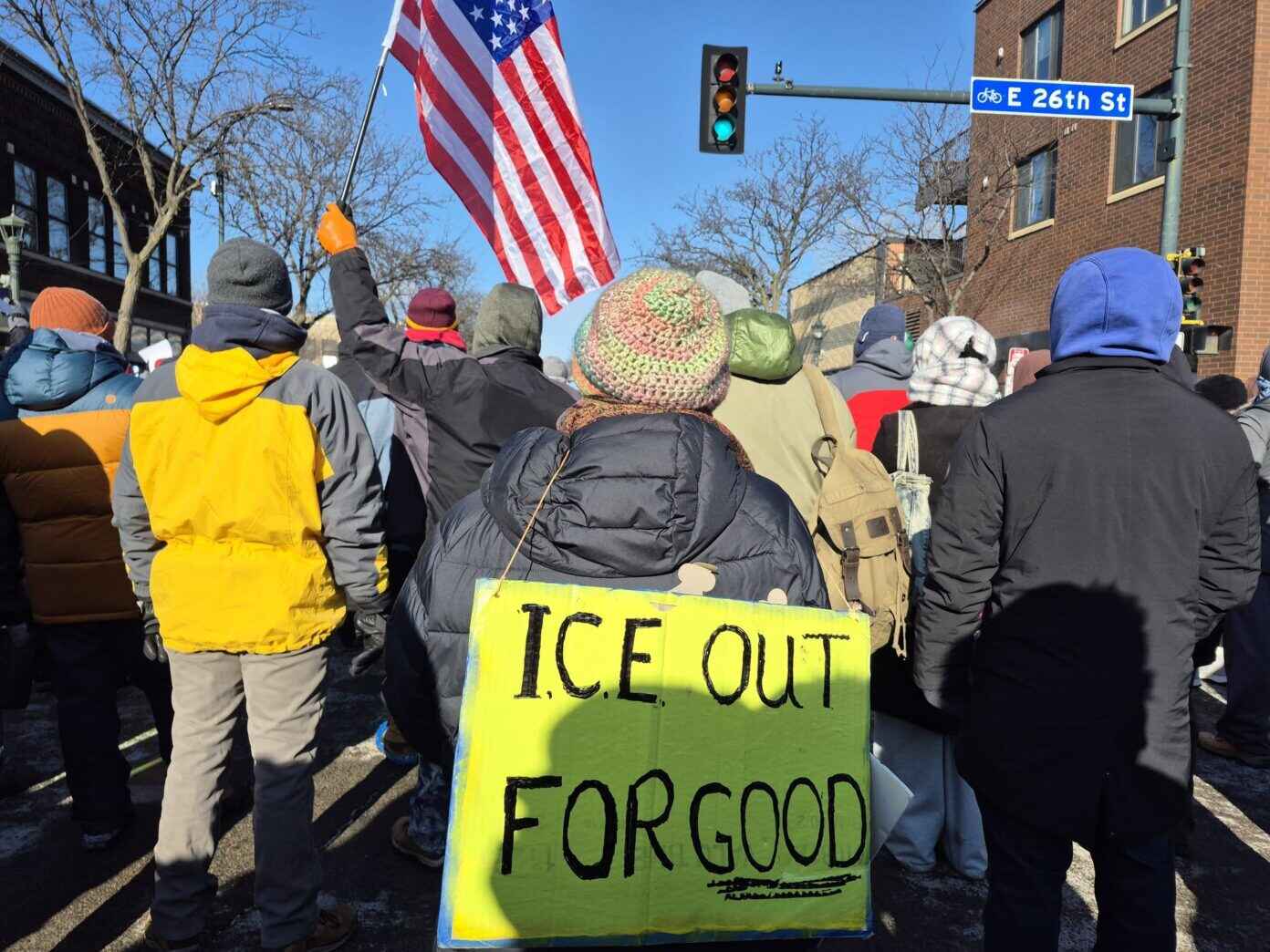
In Columbia Heights, a suburb of Minneapolis, a five-year-old boy named Liam Conejo Ramos was taken by federal immigration agents from the driveway of his home just after returning from preschool. School officials report that agents removed him from a still-running car, refused to leave him with a trusted adult, and directed him to knock on his own front door before taking both Liam and his father to a detention facility in Texas.
For many of us, this is gut wrenching and unacceptable.
What’s happening in Minnesota right now is spurring a nationwide examination of immigration enforcement policy, public safety, civil rights, and government accountability. It is a moral reckoning for our country and a deep, collective threat to individual, community, and public health.
When immigration enforcement is violent, unpredictable, opaque, or unlawful, it alters behavior in ways public health has long recognized as harmful. Families withdraw from schools and community programs. Parents avoid seeking medical care for themselves or their children. Workers stop reporting injuries or unsafe conditions. Trust in public institutions erodes and fear becomes a chronic exposure rather than an acute event. Over time, this chronic stress and trauma are linked to increased risk of mental health disorders, cardiovascular disease, and adverse birth outcomes.
These effects are not incidental and they are taking a toll on the health and well-being of people across the country.
The Network for Public Health Law (Network) is deeply distressed by these harms to families and communities. Headquartered in Minnesota, with staff who live and work in neighborhoods and areas impacted by recent ICE actions, it is profoundly personal. Across the state, people have witnessed violence against their neighbors and have experienced violence themselves, carried out by federal immigration enforcement. It was in the act of helping their neighbors that two Minneapolis residents, Renee Good and Alex Pretti, were killed by ICE agents.
As the Executive Director and the Executive Managing Director of the Network, we want to share a bit about our respective lived experiences— one of us as a long time Minnesotan, and both of us as former asylum seekers who are now naturalized U.S. citizens — as we try to put into perspective what is unfolding in Minnesota and other communities across the country. While we did not meet until our paths crossed working at the Network, we share a similar history of how we came to this country. As children, we both escaped to the United States with our families at the end of the Vietnam war. Even as that war had divided many in this country, each of our families sought safety here, settling into our new communities and building our lives as Americans, first as refugees and later as naturalized citizens.
Growing up here, we learned about American ideals of liberty, justice, and equality. We learned that as a nation built upon generation after generation of people from all parts of the world, what made America great was its diversity and its laws to protect people and their freedoms. And while different perspectives and experiences are not always easy to navigate in a democracy, we all nonetheless can aspire to share a fundamental respect for human dignity. We and many others fleeing war, repression, hunger, and fear saw America as a safe harbor.
For many asylum seekers today, including Liam Ramos and his family, and other immigrants and their families and communities, America no longer provides that safe harbor. To the contrary, the current administration and its supporters threaten the safety of communities by falsely casting many immigrants as dangerous criminals. The majority of those currently detained by ICE have no criminal record. This narrative and these tactics are antithetical to supporting community health and safety, and to respecting human dignity, and they have created an environment that is deadly.
Deaths in ICE custody and from ICE violence have reached a 20-year high, raising serious and unresolved questions about medical care, conditions of confinement, and oversight within a system that operates largely out of view and accountability. Just this month, eight people have been killed: Luis Gustavo Núñez Cáceres, Geraldo Lunas Campos, Víctor Manuel Díaz, Parady La, Renee Nicole Good, Luis Beltrán Yáñez–Cruz, Heber Sánchez Domínguez, and Alex Pretti. In 2025, thirty-two individuals died while in ICE custody.
At the Network, we assess the ways in which laws and policies support or harm health, and we provide evidence-based guidance and information to health departments, community organizations, health care providers, and partners to help strengthen their important work in improving the health and well-being of communities across the country. We center our work in equity and justice. The current actions by ICE and the harms they inflict on so many run counter to everything we believe in.
In the midst of so much pain and turmoil, what we are seeing in Minnesota and other parts of the country is also hopeful, as we witness how the strength of community can prevail in the most difficult of times. People and organizations are working together to help those being harmed, and to raise awareness about how we can keep our government accountable.
In Minnesota, these include:
- Stand with Minnesota – Hub for resources, donations, and actions to support Minnesotans impacted by ICE and federal enforcement.
- Immigrant Defense Network (IDN) – Statewide coalition of 90+ organizations coordinating rapid response, legal observer deployment and community defense.
- Minnesota Freedom Fund – Provides bond and bail support for immigrants in detention.
- Immigrant Law Center of Minnesota (ILCM) – Free immigration legal representation; detention intake line 1-800-223-1368
- Unidos MN – Grassroots organizing and comprehensive know your rights campaigns.
- Minnesota Immigrant Rights Action Committee (MIRAC) – Grassroots mobilization, community education, and direct support including food assistance for families forced into hiding.
- Comunidades Organizando el Poder y la Acción Latina (COPAL) – Grassroots organizing and rapid response in Latino communities.
- Minnesota Interfaith Coalition on Immigration (ICOM) – Faith-based advocacy and material support for immigrant families.
There is also meaningful work to be done across disciplines.
Public health professionals can document what they are seeing and speak clearly about the health consequences of enforcement policies. They can support community health workers and organizations that remain trusted points of contact for families who have withdrawn from formal systems, and advocate for policies that preserve access to care, education, and safety regardless of immigration status. Legal professionals can contribute through know your rights trainings, rapid response networks, and pro bono representation. Academics and researchers can continue providing rigorous, timely documentation of the harms unfolding.
All of us can support community power building, a core public health function. Organized communities are more resilient and better positioned to care for one another in times of crisis. Organizations such as the Public Health for Community Power Building Coalition, offer a framework for understanding how power operates and how public health can ethically support community-led solutions.
For those seeking ways to engage nationally, the American Public Health Association’s Action Center is designed to support informed public dialogue and civic participation.
The Network has been closely following immigration executive actions and their health impacts, and we remain committed to supporting this work. We offer our expertise as a resource to those navigating these challenges, whether as a sounding board, through legal and policy guidance and technical assistance, or as a partner in developing strategies that promote health equity and protect public health. We invite organizations to reach out and join us in the work of protecting health and human dignity.
With hope and determination,
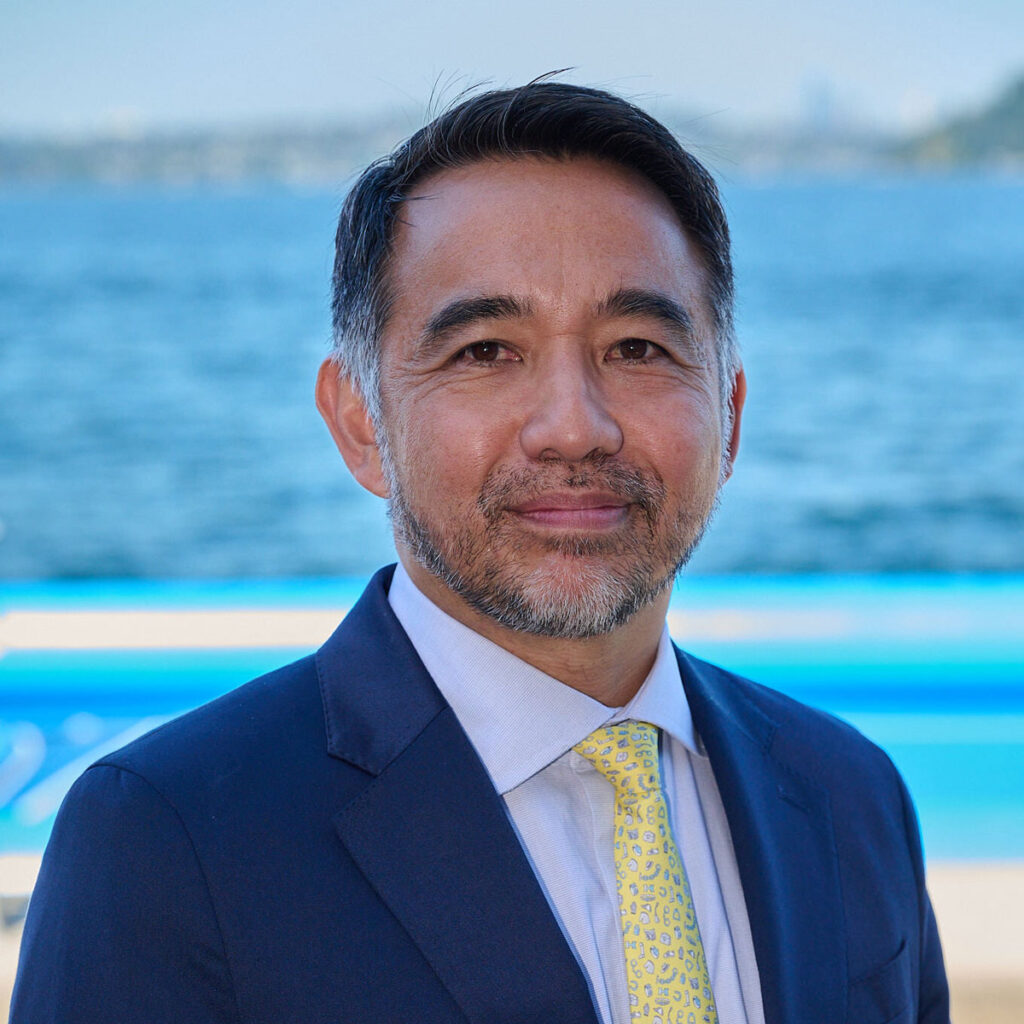
Executive Director

Executive Managing Director