

School Nurses
Registered professional school nurses are uniquely positioned at the intersection of student health and education. Trained to understand the complexity of the relationship between physical…
View page
Registered professional school nurses are uniquely positioned at the intersection of student health and education. Trained to understand the complexity of the relationship between physical…

The Network's initiatives reflect the first steps in identifying potential collaborations with high-level impact, along with partners who can help us take this work to the next level.

Organizations in public health, philanthropy and other sectors partner with us on projects and programs aimed at improving health in communities. From law and policy…

Communities across the United States are struggling with an epidemic of drug-related harm. Harm reduction programs are often hindered by laws and policies that reflect an outdated, punitive-focused approach to drugs and individuals who use them. The Harm Reduction Legal Project addresses legal and policy barriers that hamper the establishment and scale-up of evidence-based harm reduction measures.
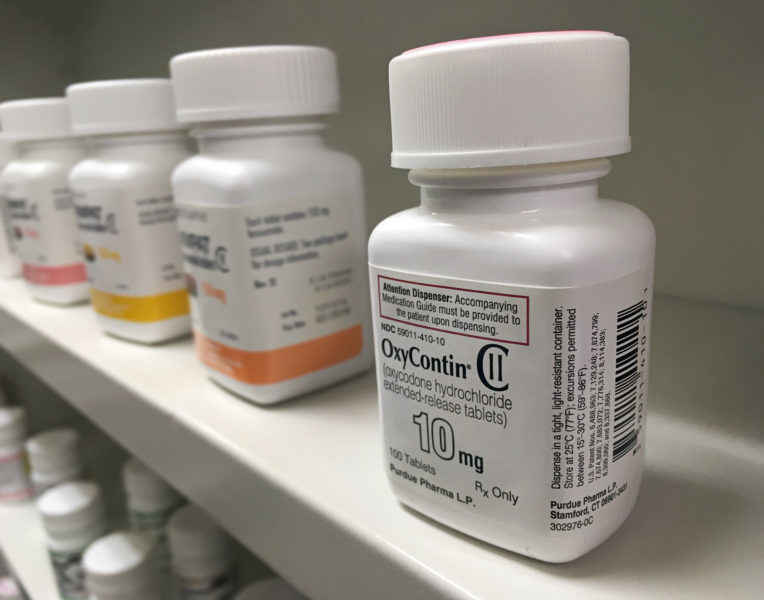
Opioids, both prescription painkillers and illegal drugs such as heroin and illicitly manufactured fentanyl, are responsible for most of the 52,000 deaths of Americans every year from overdose. States and localities have implemented a number of legal and regulatory interventions to address this epidemic.

Marijuana, which is still considered an illicit drug at the federal level, is legal in 11 states for adults over the age of 21 for recreational use, and legal for medical use in 33 states. As more states contemplate marijuana legalization, understanding the broad spectrum of public health and policy issues is critical.
Explore the Network’s Legal Assistance Library to find answers to commonly asked questions on a variety of public health topics. Click on a topic under the Topics…

De-identification is an important tool to make data available to communities. Generally, once public health removes or obscures personal identifying information within a data set,…
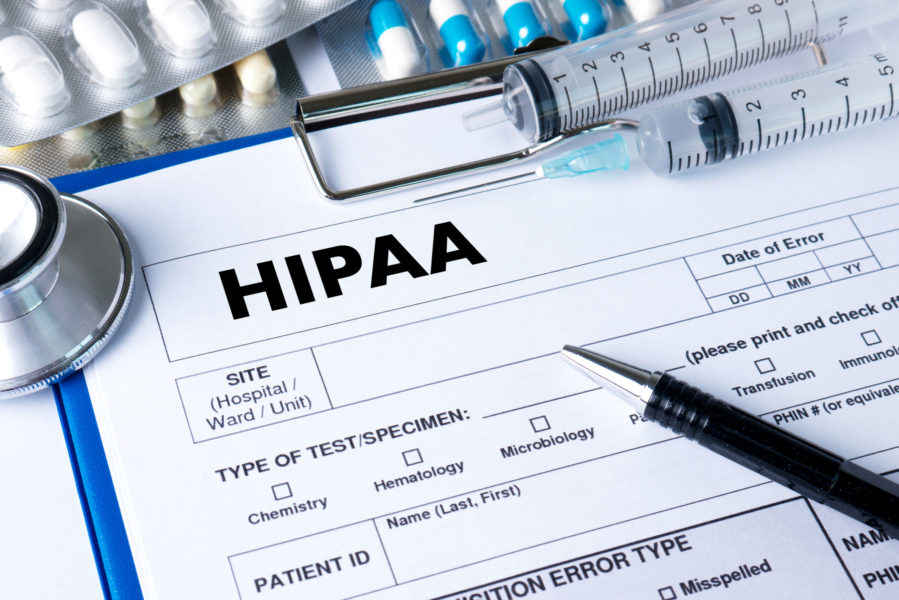
Most health departments have programs that are covered by the Health Insurance Portability and Accountability Act, Public Law 104-191 (“HIPAA”), such as health care providers…

Data are essential to inform public health activities. While an abundance of data are collected and used in different sectors, laws define how data can…

The Patient Protection and Affordable Care Act (ACA) is the most comprehensive health reform legislation enacted by the United States in decades. Though focused on improving health care access and insurance coverage for millions of Americans, the Act also includes a number of preventive and community health provisions that impact public health. While the ACA is responsible for providing health coverage for more than 20 million Americans, its future is uncertain.

For many low-income Americans, Medicaid provides much-needed access to health care. A joint federal-state program, Medicaid is administered at the state level. Medicaid provides health coverage to more than 11 million non-elderly, non-disabled adults, some 8.8 million individuals with disabilities, and covers 40 percent of all births in the United States.