
Law and Policy Strategies to Reduce the Health Risks of Extreme Heat
May 28, 2026
Overview
The recently released Journal of Law, Medicine & Ethics supplemental issue features articles authored by presenters at the 2025 Public Health Law Conference in Seattle, Washington. Betsy Lawton, Network Deputy Director, Climate and Health, was among the authors of the article: “It’s Getting Hot Out There: The Need for and Development of Law and Policy Strategies to Reduce Health Risks of Extreme Heat.” In this Q&A, Betsy discusses the article and how it addresses a critical public health issue.
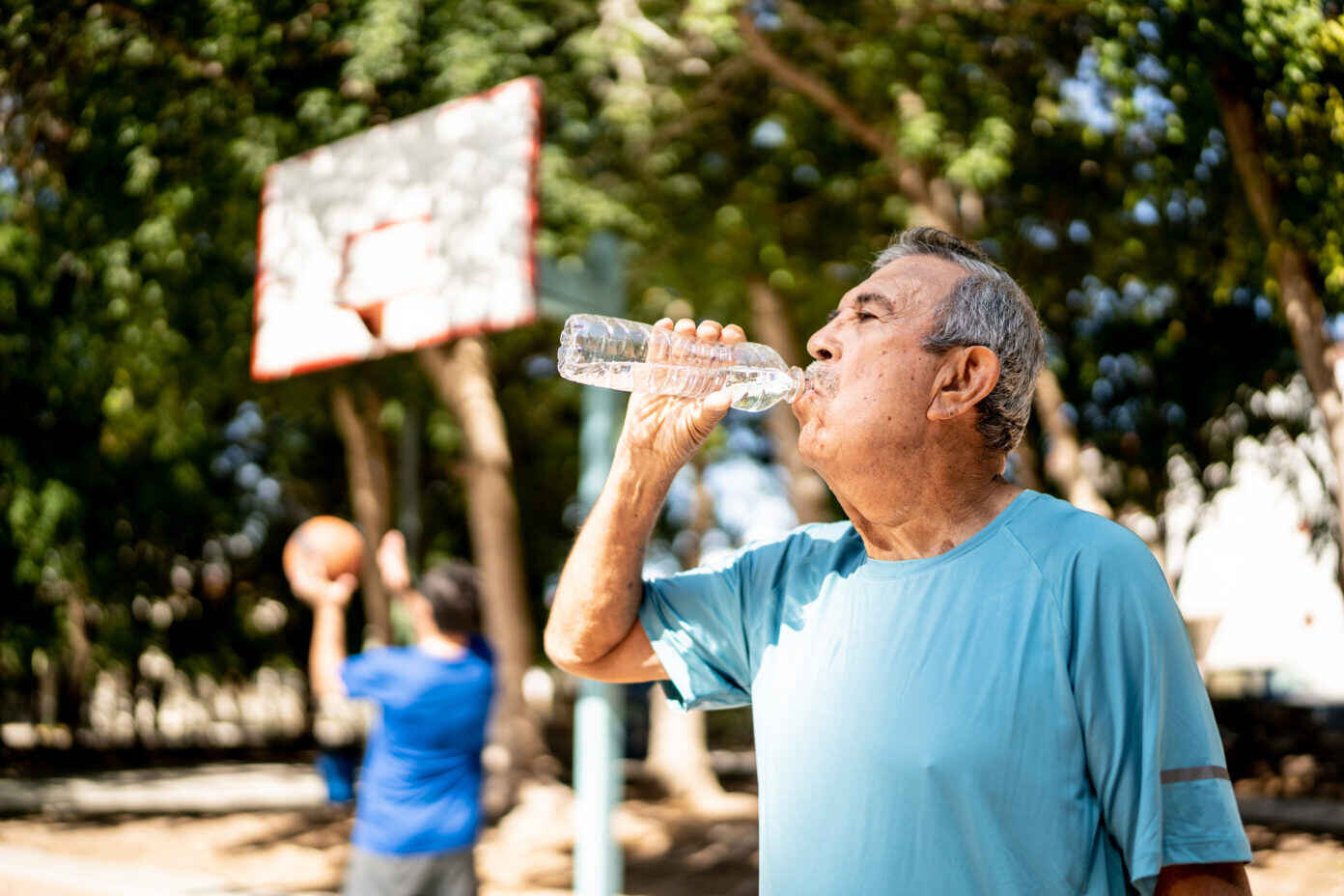
The recently released Journal of Law, Medicine & Ethics supplemental issue features articles authored by presenters at the 2025 Public Health Law Conference in Seattle, Washington.
Betsy Lawton, Network Deputy Director, Climate and Health, was among the authors of the article: “It’s Getting Hot Out There: The Need for and Development of Law and Policy Strategies to Reduce Health Risks of Extreme Heat.”
In the following Q&A, Betsy discusses the article and how it addresses a critical public health issue.
Q: Why is this topic so critical right now?
Extreme heat is the number one weather-related killer in the United States and earth’s temperature is on the rise, with the 10 most recent years being the hottest on record. While addressing extreme heat requires a multi-faceted approach, people across the nation are taking action, and laws and policies to protect individuals from the health hazards of extreme heat are being contemplated and enacted. However, factors such as a lack of political will or limited resources may create barriers or slow progress in securing these needed protections. A tailored and thoughtful strategy is needed to address specific community needs and contextual factors that impact exposure and vulnerability to extreme heat, such as historical and changing weather patterns, community development histories, and health inequities.
Research identifies multiple socioeconomic factors that increase heat vulnerability, including income, work location, and access to health resources. Because the impacts of heat stress are cumulative and compounded, relief must be provided at the many places where people are exposed to extreme heat via policies that protect people where they live, work, and play — including homes, workplaces, public transportation, schools, and outdoor athletic fields. Policies that can reduce exposure and address heat vulnerability can help save lives, promote a healthy workforce, and reduce health inequities and stress on the health care system.
Q: How does your article address these issues?
The paper aims to address the realities of extreme heat exposure and community needs during extreme heat, and highlight efforts to combat heat exposure. The article first defines important terms relevant to heat and then describes heat exposure and needed protections for vulnerable populations, such as communities located in urban heat islands, those experiencing direct heat exposure in the workplace, and those who lack access to cooling equipment at home. Next the article summarizes state and local policy approaches to protect individuals from extreme heat on the job and at home. Lastly, the article focuses on Florida and New York City to illustrate what’s happening with laws and policies to combat the health consequences of extreme heat.
Q. How can what’s outlined in the article help address health disparities and advance health equity?
While there are a wide range of policies aimed at alleviating harm from heat in a variety of different settings, the paper focuses on policies to prevent heat sickness and death where people live and work. States and cities across the nation are tailoring these policies to protect at-risk individuals, including people of color, low-income earners, people with respiratory conditions, seniors, young children, pregnant people, outdoor workers, and athletes, all of which are especially vulnerable to the impacts of chronic heat exposure.
The Network promotes public health and health equity through non-partisan educational resources and technical assistance. These materials are provided solely for educational purposes and do not constitute legal advice. The Network’s provision of these materials does not create an attorney-client relationship with you or any other person and is subject to the Network’s Disclaimer. Support for the Network is provided by the Robert Wood Johnson Foundation (RWJF). The views expressed in this post do not represent the views of (and should not be attributed to) RWJF.